



Mom, Dad, reassure me: tips for fostering a sense of security in children
27 June, 2018
Security is defined as the feeling of being “safe from danger” and the satisfaction of having a “confident and peaceful mind”: a simple definition that leaves us with a broad and rather abstract interpretation. The notion of security can therefore encompass several physical, psychological, financial, social and emotional factors. Being part of a non-violent relationship and environment, having a roof over our heads and the certainty of being able to eat at least a minimum when we need to, all of that falls under our physical security. Our professional status, for its part, is a safety net that provides financial security by giving us access to stability. Psychological security, meanwhile, could be described as the absence of daily stress generated by a spontaneous or recurring anxiety-provoking situation. When faced with such a problem, the happiness of being able to count on a trusted person to support us would fall more under social and emotional security.
For a child, of course, security isn't reflected in quite the same way. At least not when their basic needs are met. Remember the time you scraped your knee falling off your bike, landing face-first on the ground. You may be able to recall that it was the kind, encouraging words of your parents or a significant adult that gave you the confidence to get back on your bike or to get back up, just minutes after suffering an injury you thought was “fatal.” Although your memory fixes on the fall, the pain you felt or the fear, your sense of security was first ensured by your attachment bond. You know, the automatic glance you threw at that adult once you'd fallen, to see their reaction? Yes, yes, exactly that look! It's the approval that the emotional sphere seeks in order to regain confidence. Its role is very valuable, especially at a young age.
So it's with your support that your children will feel “safe from danger” and have a “confident and peaceful mind” to keep exploring the world around them fearlessly, and will want to take risks without fearing overly big consequences. Because they know they'll be caught during their free fall. It's therefore important to measure your reactions to your children's minor accidents so they don't fear a second, or even a ninth, try. Praise their attempt and encourage them to try again, offering to stand closer to them or to be more alert if they don't feel completely safe.
On the flip side, we must avoid dramatizing a situation or giving no importance at all to the feeling and difficulty the child is experiencing. They will agree to try again and take up the challenge only if they feel guided and encouraged by an attachment figure who matters to them. Your challenge as a parent is therefore to respect your child's pace and their need for support (or lack of it). Some are very independent and want to learn on their own, while others need to try with the full attention of their mother hen. And both ways of getting there are fine.
So take advantage of the nice weather to go play on the play structures at the park, take the training wheels off the bike or the floaties off in the pool (under your supervision), and strengthen your attachment bond with your children and help their sense of security grow!
Would you like first access to all the content published in the Magazine each month, plus our Toolbox, which includes, among other things, free downloads that are as practical as they are fun? Subscribe to Belles Combines Magazine today!
Put these tips into practice
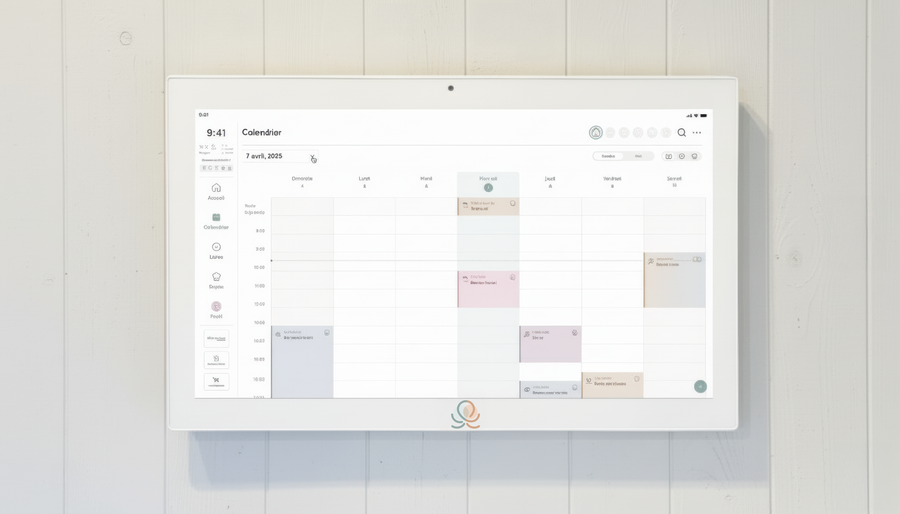
Get the whole family organized with Octave
Meals, chores, the calendar and routines for the whole family in one place: on everyone's phone and on the Station on your wall.
The app is free on iOS and Android.