



Safety without overprotecting: the benefits of risky play
06 June, 2018
Keeping children safe doesn't mean overprotecting them. Instead, we should give them chances to take risks, to climb, to fall and to get back up. What's more, overprotecting children can actually harm their health. In fact, trying to keep children safe by stopping them from being active can be risky. Among other things, the organization ParticipACTION recommends encouraging active play and risk-taking in children. Risky play can indeed be very good for them: it's how they learn to test their limits, discover what they're capable of and build their confidence.
Outdoor playgrounds
The best place for active play is outdoors. Outdoor play gives children the chance to take risks. Interestingly, outdoor playgrounds in North America are ultra-safe and governed by certified safety standards. The prevailing philosophy is zero risk, and through prevention and regulation, risky situations for children are kept to an absolute minimum. As a result, we see playgrounds paved with asphalt and covered in rubber and plastic. Kids can usually go down the classic slide after climbing up the steps, or rock back and forth on the spring riders.
In Germany, however, playgrounds look rather dangerous by North American standards. There, you'll find outdoor play spaces that incorporate natural elements, with tall grass where kids can hide, run and jump. There are also natural wood structures where children can climb to impressive heights. The focus is on learning independence, so that children learn to test their strength and recognize their limits. What's more, it's not unusual to see kids playing in playgrounds without parental supervision.
In your opinion, what's best for kids? The paved schoolyard and colorful play structures, or more natural environments? Several studies have shown that the quality of the environment has a major impact on children's active play and risk-taking. Kids find it much more stimulating to be in natural settings with woods, rocks, tree trunks and tall grass. That gives them more opportunities to take risks and discover what they can do. In this kind of environment, kids are more likely to come home with scrapes and a few minor injuries, but the benefits they gain in independence and confidence outweigh them.
We need to trust children. They know what they're capable of and how to handle the situations they find themselves in. To learn how to handle risky situations well, children need to experiment: climb, fall, face risks and get back up. Kids learn by doing, and they need to encounter risks and confront them. Safety is risky, but taking risks doesn't mean putting yourself in danger. What matters is giving children the tools to face risks and learn how to manage them. When kids climb trees, roughhouse, jump off a big rock or bang a stick on stones, they're in exciting situations where they get the chance to discover and learn. The adult's role, then, is to guide them and let them have experiences suited to their age.
The benefits of risky play
Risky play doesn't involve negligence, recklessness or encouraging needless risks. During this kind of play, children push their limits and learn to solve problems. And as we mentioned earlier, letting kids experiment and take risks has many benefits. Here are a few examples:
- Boosting confidence
- Building independence
- Improving motor skills
- Helping concentration
- Strengthening problem-solving skills
In short, kids love risky play like climbing, jumping, scaling things, running at top speed, roughhousing and hiding, and all of these activities give them a thrill. For children to get the most out of risky play, adults need to give them safe opportunities to take risks, while keeping an eye on how safe the challenges are. The danger with safety is the risk of overprotecting children. So a more sensible approach would be to let kids experience risky play, exposing them to risks gradually, according to their age, and staying by their side. So, will you dare to offer the kids some risky play?
Would you like first access to all the content published in the Magazine each month, plus our Toolbox, which includes, among other things, free downloads that are as practical as they are fun? Subscribe to Belles Combines Magazine today!
Put these tips into practice
Get the whole family organized with Octave
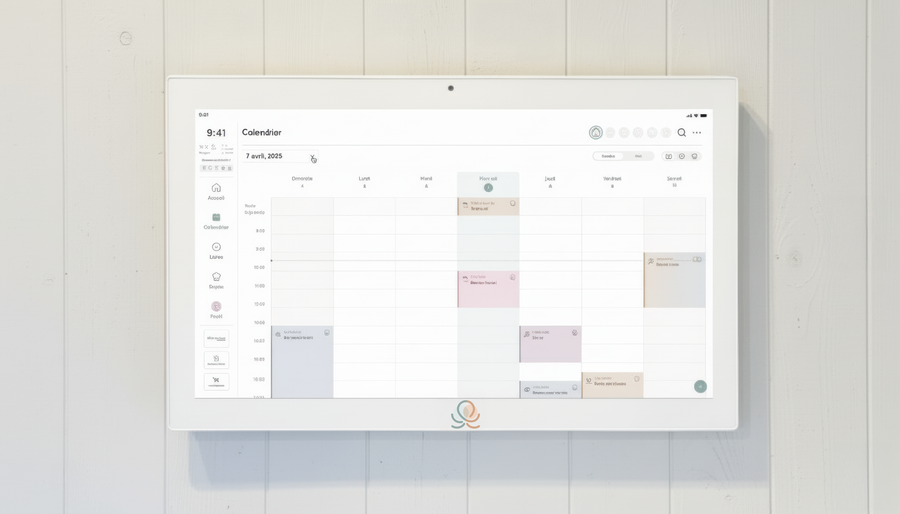
Meals, chores, the calendar and routines for the whole family in one place: on everyone's phone and on the Station on your wall.
The app is free on iOS and Android.