



Tips for creating a homework-friendly environment from the start
21 September, 2026
Going back to school inevitably brings back the infamous homework and studying period. For some kids, this part of the day goes off without a hitch, but for others it can quickly become a source of resistance, distraction and daily friction. The good news is that setting up a suitable space and establishing a clear structure in the first weeks of September goes a long way toward shaping your child's attitude to schoolwork. By laying the groundwork early, you give your child a stimulating environment that fosters focus, independence and peace of mind. Here are a few practical tips to help you get there.
1. Choose the right spot for your child's personality
There's no one-size-fits-all solution: the ideal spot depends on your child's age, level of independence and temperament.
-
In a shared area (kitchen, dining room): Perfect for younger elementary school kids who need a reassuring presence, clear instructions and frequent support without the parent having to go off by themselves.
-
In the bedroom or at a dedicated desk: Ideal for older kids or children who are easily distracted by background noise, as long as the space stays reserved for thinking and free of temptations.
-
Think about ergonomics: Make sure your child is sitting comfortably, with feet flat on the floor (or on a footrest) and the table at the right height to prevent physical fatigue.
2. Eliminate distractions and optimize the lighting
A child's brain spends a lot of energy tuning out the stimuli around them. A visually calm, well-lit environment makes mental effort much easier.
-
💡 Prioritize good lighting: If possible, set up the work area near a source of natural light, or add an adjustable desk lamp to avoid tired eyes at the end of the day.
-
🔇 Unplug recreational screens: Turn off the TV, move away any tablets that aren't needed for homework, and put phones out of reach or on silent.
-
🧹 Clear the work surface: A desk cluttered with toys or unnecessary objects invites distraction. Keep only what's needed for the task at hand on the table.
3. Set up an all-in-one supply basket
Nothing breaks concentration like having to get up five times to look for a pencil, an eraser or a pair of scissors.
-
✏️ The portable homework bin: Fill a small bin or basket with the essentials (well-sharpened pencils, erasers, ruler, glue, colored pencils, highlighters).
-
📁 Keep supplies within reach: The bin can be stored in a closet and brought out only at homework time, which quickly turns the kitchen table into a functional work station.
4. Pick the right time and build in breaks
A work environment isn't just about physical space: the time frame plays an equally decisive role.
-
Respect the need to decompress: After a day sitting in class, most kids need to move around, have a snack and clear their heads for 30 to 45 minutes before tackling homework and studying.
-
Set a fixed time: Build homework time into the daily routine so it becomes automatic rather than something to negotiate.
-
Go for short sessions: Sustaining attention for hours is unrealistic. Aim for blocks of 15 to 20 minutes followed by 5-minute micro-breaks to stretch or drink some water.
Creating a homework-friendly environment is an investment that pays off right from the start of the year. By giving your child a structured, calm and welcoming setting, you help them gradually build solid study habits and real independence that will serve them throughout their school years! 📝💡🎒
Put these tips into practice
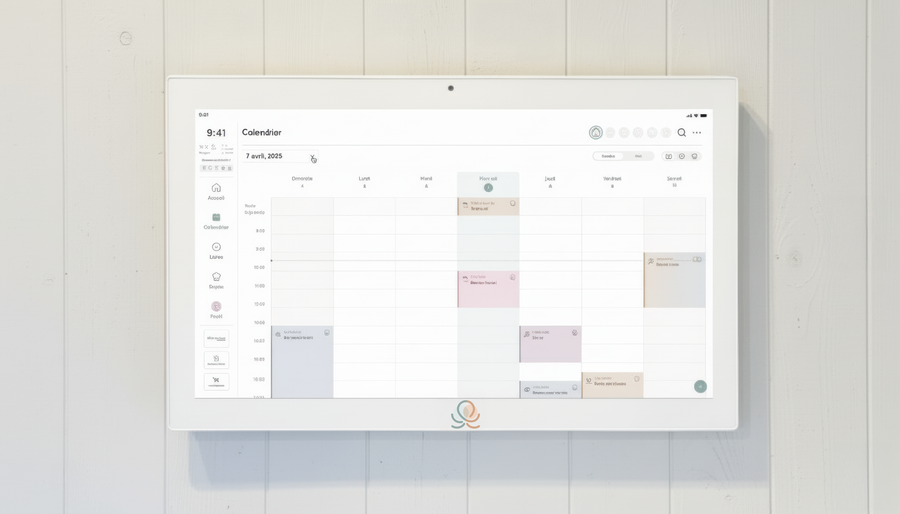
Get the whole family organized with Octave
Meals, chores, the calendar and routines for the whole family in one place: on everyone's phone and on the Station on your wall.
The app is free on iOS and Android.