



Reduce food waste as a family: fun and educational tips
16 April, 2025
Food waste is a major challenge in our modern societies, where unfortunately nearly a third of the food produced ends up in the garbage. Beyond the environmental aspect, teaching kids not to waste is a valuable life lesson about the value of resources and the importance of planning. Here are some creative strategies to involve the whole family in this eco-friendly approach.
The “Eat Me First” label: a simple, effective solution
Among our kitchen labels, one of the most useful is undoubtedly the one that says “Eat Me First.” Placed on a dedicated bin in the fridge, it serves several essential functions:
-
It draws attention to foods that need to be eaten quickly
-
It simplifies the choice of snacks and ingredients for independent kids
-
It builds the family's daily awareness of the idea of food priority
In practice, this bin becomes the first place to look when someone is hungry. You put in the slightly overripe fruit, yesterday's leftovers, the yogurt whose date is approaching or the last slices of bread.
For younger kids who can't read yet, opt for an illustrated label with a clock or a colored arrow. What matters is that the message is clear: these foods must be eaten before opening anything else.
Developing food awareness in kids
Learning to tell perishable from non-perishable
From the age of 4 to 5, children can start to understand the difference between foods that keep for a long time and those that need to be eaten quickly. Turn this learning into a game:
-
The sorting game: When unpacking the groceries, ask them to sort the foods into two categories
-
The fridge treasure hunt: “Find three foods that need to be eaten this week”
-
The date detective: For older kids, look for the expiry dates and sort them in order of urgency
Little anti-waste tricks
Making informed snack choices
Involve your kids in choosing their snacks by explaining the priorities:
-
High priority: Ripe fruit, yesterday's leftovers, opened dairy products
-
Medium priority: Fresh fruit, prepared vegetables, unopened yogurts
-
Low priority: Non-perishable snacks (dried fruit, cookies, etc.)
Use our snack chart with color-coded zones (red for urgent, yellow for soon, green for later) and let them choose from the appropriate zone.
What to do with perishable foods?
Here are some creative ideas to suggest to kids for using foods before they spoil:
Overripe fruit:
-
“Fruit saver” smoothies (blackened bananas + softened berries)
-
Quick microwave applesauce (soft apples + cinnamon)
-
Fruit muffins (mashed bananas or grated apples in the batter)
Tired vegetables:
-
“All-in-one” soup (blend all the vegetables with broth)
-
Magic skillet (sauté with spices to hide the tired look)
-
Savory muffins or vegetable quiche (cooked vegetables forgive their imperfections)
Stale bread:
-
Seasoned croutons for soups or salads
-
Sweet or savory French toast
-
Homemade breadcrumbs for gratins and breading
Involve the kids in these transformations. Giving new life to a food that seemed destined for the garbage is a rewarding, educational experience.
Meal planning: when and how to get kids started?
Planning is one of the keys to reducing waste. Here's how to raise kids' awareness of it according to their age:
Ages 5 to 7:
-
Helping choose one meal a week
-
Guided observation of what's in the fridge before going grocery shopping
-
Simple discussion about quantities: “How many apples do you think we'll eat this week?”
Ages 8 to 10:
-
Responsibility for a partial inventory of the fridge and freezer
-
Helping put together the grocery list
-
First notions of food storage
Ages 11 and up:
-
Independently planning a complete meal, giving priority to what needs to be used up
-
Learning about freezing and food preservation techniques
-
Involvement in calculating the quantities needed according to the number of people
The Octave app can become your ally in this process, by centralizing meal planning and allowing kids to take an active part according to their level of independence.
When you're no longer hungry: anti-waste strategies at the table
One of the critical moments for waste happens at the table, when eyes are bigger than stomachs. Here's how to avoid it:
-
The small-portions rule: Encourage your kids to serve themselves modestly, with the option of going back for seconds
-
Individual leftover containers: Each child can have their own personalized little container to keep what they haven't finished. Encourage a moment of reflection: “Should I throw it out, or can I eat it later?” For example, a peanut butter bagel started at breakfast can easily become a snack for after school.
-
Next-day reheated dishes: Turn last night's leftovers into a school lunch or an afternoon snack
Teach your kids that leftovers aren't downgraded food but an opportunity for an easy, ready-made meal. Change the perspective by talking about a “ready-to-heat meal” rather than “leftovers.”
The restaurant game: turning leftovers into a festive occasion
When the fridge holds several different leftovers, organize “The Restaurant at Our Place”:
-
One child becomes the chef/server and creates a menu with all the available leftovers
-
They take orders on a notepad, just like in a real restaurant
-
Each family member can order a different dish
-
For extra fun, add folded napkins, “specials of the day” and even “food critic reviews” after the meal
This playful activity turns potential waste into a joyful, creative moment. It also lets you use up several leftovers in small quantities without anyone feeling like they're eating the same thing as the night before.
Conclusion: beyond the savings, a philosophy of life
By involving your kids in reducing food waste, you pass on much more than practical tips. You cultivate in them:
-
Respect for natural resources and for the work that went into producing this food
-
Creativity to turn constraints into opportunities
-
Planning and organization, essential skills in every area of life
-
Awareness of the impact of our everyday choices on the environment
These lessons go well beyond the kitchen, shaping responsible citizens who are aware of their footprint on the world.
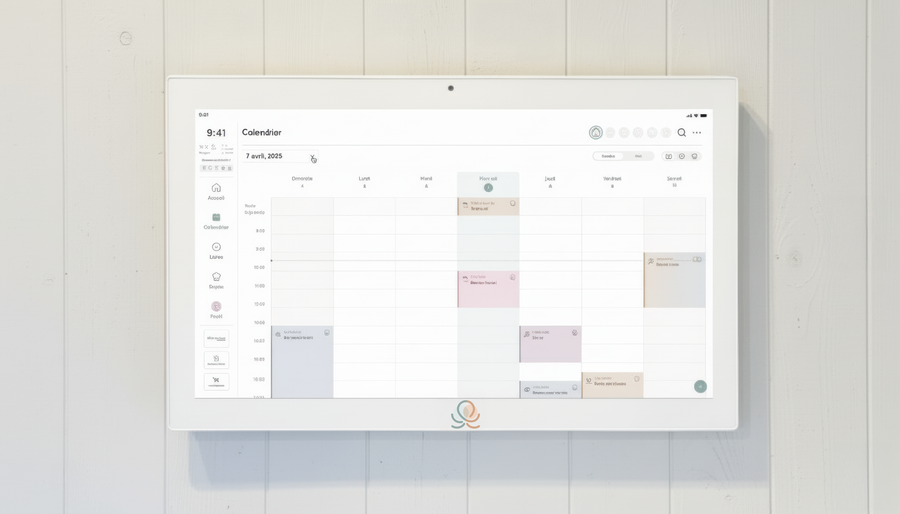
🚀 Find our “Eat Me First” label in our online store and much more in the Octave app: shared calendar, collaborative task list, meal planner, centralized family info and independence tracking – your number one ally for an organized family life! 📱✨
Put these tips into practice
Get the whole family organized with Octave
Meals, chores, the calendar and routines for the whole family in one place: on everyone's phone and on the Station on your wall.
The app is free on iOS and Android.