



Tips and tricks to get ahead in the kitchen
26 August, 2019
If you care about cooking from scratch, you've probably quickly come to this conclusion: it takes time! The temptation is always strong to turn instead to ready-made meals or ingredients, especially since there are more and more choices that are perfectly acceptable in terms of both quality and health, not to mention ready-to-cook meals, which are becoming more and more popular. But all of this comes at a price. To save money on your grocery bill, you have to invest a minimum of time in the kitchen. So here are a few tips to make the most of your time there.
The 3 keys to making the most of your time in the kitchen and saving at the grocery store
- Planning
- Good food management
- Good use of kitchen tools
Tools that save us time
- The microwave oven: this tool is extremely useful for cooking vegetables. There are even silicone steamers designed for microwave cooking. A simple glass dish with a little water in the bottom can also do the trick and cooks vegetables in record time. Broccoli takes only 4 minutes to cook, as do green beans and asparagus. You can also make “baked-style” potatoes by pricking them and placing them on a plate for about 10 to 15 minutes. Finally, did you know you can toast nuts in the microwave? The risk of burning them is much lower than on the stovetop.
- The Instant Pot: more and more well known, the multi-cooker is an electric multi-function appliance that is basically a replacement for the pressure cooker. It can cook a meal very quickly because it works under pressure. It's very handy because it lets you prepare a meal that would normally need a long cooking time in under 30 minutes. It will turn a frozen chicken into a boiled chicken in less than an hour.
- The “freezer meal”: the “freezer meal” is a method that involves preparing several meals at the same time and freezing them in bags. The bag contains all the ingredients for the recipe, but nothing is cooked. You can then put the still-frozen contents of the bag in the appliance, turn it on for 35 to 40 minutes and head out to pick up the kids from daycare or school. When cooking is done, the appliance switches to keep-warm mode and waits patiently for you until you get back.
- The slow cooker: this one is well known and is surely already in your kitchen. I use it for meat stews or vegetarian recipes. It certainly takes longer to cook, but gives excellent results. I love using it on weekends, quietly preparing my meal after breakfast. It lets me head out for a family day and have a hot meal when we get back.
- The food processor: it not only chops vegetables, slices them into rounds and grates cheese, it's also very useful for making energy balls, spreads or hummus. Leave it on the counter at all times! That way, it can be put to use every day. Don't hesitate to use it for a single onion; afterwards you just have to rinse it!
- The ice cream scoop: available in several sizes, it lets you “portion” muffins and cookies before baking. It's an essential if you like making your own snacks!
Managing food and meals
Once a season
Prepare meals to freeze. These could be spaghetti sauce, lasagna or meatballs. Try “freezer meals,” those ready-to-cook meals you assemble in bags and put in the freezer, or check out our many batch cooking plans available exclusively in our monthly Family Manager subscription.
Once a month
Make a double, even triple batch of muffins, cookies or drop cookies and another of energy balls or granola bars. Once frozen, these snacks should last for the coming month. Take the opportunity to involve the kids; they're great at making energy balls and love to “portion” muffins into the tins with an ice cream scoop.
Take inventory of the fridge, the freezer (check out our magnetic freezer inventory!) and the pantry, then do a grocery run to replace the missing items. If you buy meat in large packs, put it in meal-sized portions in bags with a marinade and put everything in the freezer: the perfect solution for a quick little meal when unexpected company shows up.
Once a week
Plan your menu for the week; think of five meals to put on the menu and shop according to that list. When you get back from the grocery store, cut the vegetables according to how you'll use them: wash the lettuce, cut up raw veggies, cut the vegetables for roasting and sautéing, cut up the melon, etc.
Every day
Think about tomorrow's menu. Do you need to thaw some meat, marinate chicken or cut more raw veggies? Make sure foods that need to be used right away are clearly visible, to avoid waste.
A few miscellaneous tips
- Take shortcuts at the grocery store: frozen onions and spinach, jarred garlic and ginger, pre-washed salad, soup vegetables or pre-cut coleslaw mix. These foods aren't very economical, but they're excellent lifesavers. Don't hesitate to use these shortcuts when the week is very busy.
- Prepare some ingredients yourself when they're in season. For example, onions and peppers can be cut up and frozen without blanching, and tomatoes can be frozen whole with no preparation.
- Make smoothie bags. Bag up the ingredients (bananas, mangoes, strawberries, blueberries, kale, etc.) so they're ready to put in the blender. Then all you have to do is add milk or a plant-based beverage.
And with that, enjoy your meals!
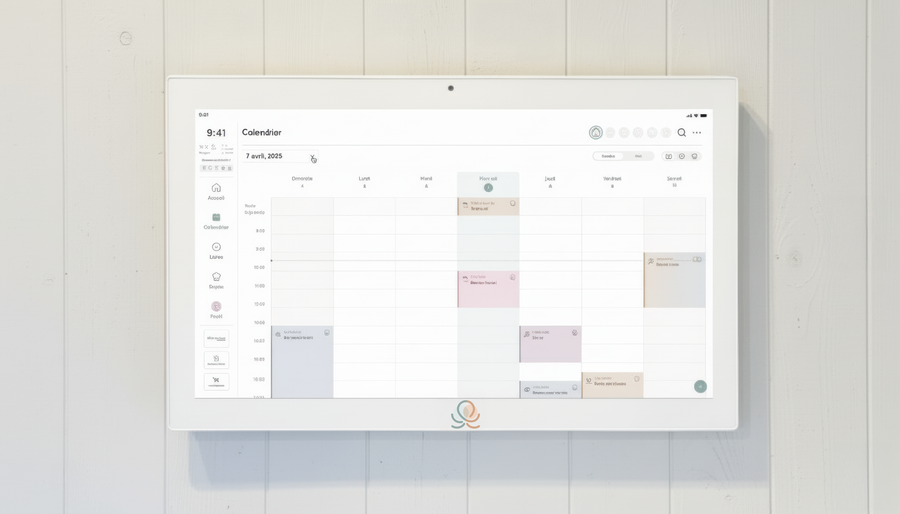
Put these tips into practice
Get the whole family organized with Octave
Meals, chores, the calendar and routines for the whole family in one place: on everyone's phone and on the Station on your wall.
The app is free on iOS and Android.