



Fair enrichment
07 October, 2021 • Par Dominique Lepine
In 1989, to make sure that one spouse wouldn't get richer at the expense of the other, Québec created the family patrimony. The goal is to promote the economic equality of spouses. However, this law applies only to married couples. Could the decline in the number of marriages be a way of escaping it? That surely doesn't explain the whole decline, but it's probably part of the explanation. For my part, I believe it isn't up to the State to dictate a couple's economic model, and that it shouldn't interfere, because there isn't, in my view, one single right answer.
What is fair enrichment?
Let's start by defining what enrichment is. According to the Le Robert dictionary, it is the “act of increasing one's possessions, of making a fortune.” I would sum it all up by saying that it's your net monetary worth: your assets minus your debts. The definition of enrichment is the same for everyone. It gets complicated when you want to define fair enrichment. Does that mean equal? Does it mean in proportion to your incomes? Is it the same thing if you're a blended family? Is it each partner's responsibility, regardless of the other's?
Determining each person's contribution to the family budget isn't simple. It's even more complex to determine what fair enrichment means within your couple. Once again, the right answer isn't your brother's, your coworker's, your friend's, etc. The right answer is the one that works for you, given your reality and your family values. To measure enrichment, you need to define the difference between two values over a given period. For example, my enrichment over the past year is the difference between my net worth on January 1st and my net worth on December 31.
When we calculate enrichment within a couple, what is our starting value? Our net worth at the start of our life together? Or when our first child arrived? Once the structure has been established and the starting date agreed on, you need to assess each partner's net worth every year to measure each person's respective enrichment. It's by doing this calculation that we'll see whether our goals have been met.
So, every year, as we've already discussed, we need to become aware of our family net worth, which will have gone up or down. Once we have that change, we need to make sure it's properly divided between the partners. Let's take a simple example: a couple who decide that their goal is for each of them to get an equivalent annual enrichment in dollars. So they decide that all assets of significant value, including the house, will be in both partners' names. Every year, identical contributions are made to their RRSPs... Everything is split 50/50. The goal is met and each has the same net worth, unless one partner's employer offers a retirement savings plan. Despite the couple's good intentions of having equivalent enrichment, one of them therefore gets richer faster than the other. Regularly assessing their net worth means they can make adjustments. From now on, RRSPs can be opened exclusively in the name of the partner who has no pension plan.
When calculating net worth, you need to make sure not to forget anything: retirement funds, cash surrender value of insurance policies, RESPs, etc.
In my view, enrichment doesn't necessarily have to be equal to be fair. Enrichment is fair if both partners understand and support the chosen split. Be careful: because the stakes are too high, you can't avoid this discussion. It's the financial strength of the partners that is at stake. Don't let just one partner manage every aspect. Above all, don't count on lawmakers to settle this matter. If you can't figure it out because it's simply too complicated, take the time to consult a financial planner. They will help and guide you as you work out your own definition of fair enrichment.
This blog post is part of our “Parenting Team” Special feature. To see all the content in this feature, which offers tips and advice to work better together as a parenting team and share the mental load effectively, check out this article!
Put these tips into practice
Get the whole family organized with Octave
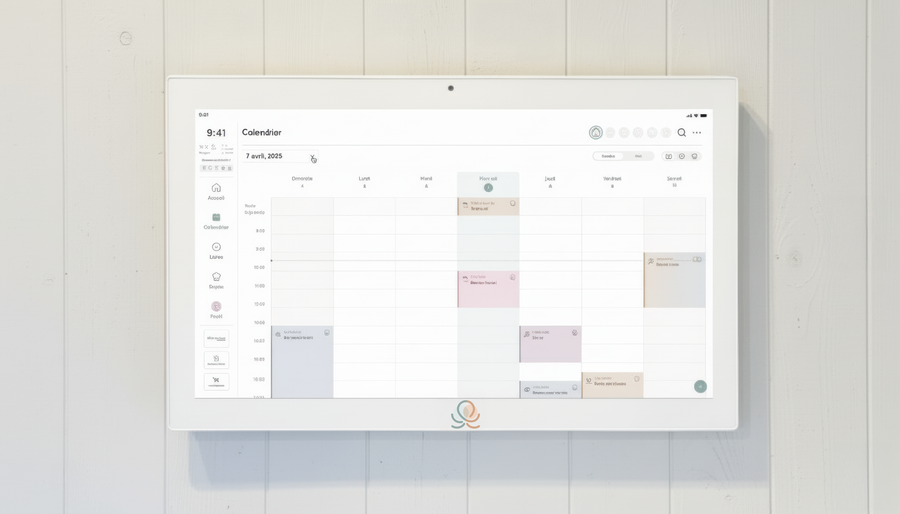
Meals, chores, the calendar and routines for the whole family in one place: on everyone's phone and on the Station on your wall.
The app is free on iOS and Android.