



How much does it cost to raise a child? Practical tools and tips to fit it into your budget
10 March, 2022 • Par Dominique Lepine
Can we afford to have another child? Many couples ask themselves that question, and with good reason! It's no secret that one more child in the family comes with its share of expenses, and these are likely to grow over time. How much does it cost to raise a child? Even though a 2015 Canadian study states that a child costs an average of $13,000 a year, our pace of life and the choices we make can push that amount down or up.
To help you fit the expenses of a new child into your family budget, we created, in collaboration with financial advisor Dominique Lépine, the Budgeting for Baby's Arrival printable. In it, you'll find all the budget items to review when a new member joins the family, so you can better anticipate the financial impact.
Adjusting your income
Leave and preventive withdrawal
The first thing to plan for is the drop in income that comes with a baby's arrival. During maternity leave, paternity leave and/or parental leave, the Québec Parental Insurance Plan (QPIP) covers between 55% and 75% of your income. Don't hesitate to use the benefit calculation simulator to help you assess the impact of such a leave on your income.
https://www.rqapenligne.gouv.qc.ca/Applications/SimulateurCalcul/en/Home
Canada child benefit (CCB)
The Canadian government offers benefits to help parents provide for their children's needs. As a general rule, this benefit is paid monthly by direct deposit. To estimate the amount of benefits you're entitled to, don't hesitate to use the simulation tool designed for that purpose.
https://www.canada.ca/en/revenue-agency/services/child-family-benefits/canada-child-benefit.html
Family allowance
The family allowance offered by the provincial government is paid on the first business day of each quarter. Note, however, that you can ask to receive it monthly, which often makes budgeting easier. You can also simulate your benefit calculation on the Government of Québec website.
https://www.retraitequebec.gouv.qc.ca/en/citizens/children/family-allowance
Adjusting your expenses
Additional housing costs
The bigger the family, the more space you need. The arrival of a new child may, in some cases, require a move or renovation work. These costs must be added to your budget, along with the furniture needed to set up a new bedroom.
Additional transportation costs
Were you already cramped in your sedan? The new little one may force you to change vehicles. Remember to include the purchase of new car seats in your budget as well. Travel-related costs can also go up. Think in particular of appointments, activities and getting to daycare and school.
Additional food costs
Will baby be bottle-fed? If so, you'll need to add the cost of buying formula for the first months of life. From 6 months old, baby will start eating solid foods. From then on, the grocery bill will gradually climb.
Additional clothing costs
You'll need to buy new clothes every season, since children grow so fast. To reduce the amount allotted to this section of your budget, you can buy second-hand clothes and keep the clothes that are still in good condition for the children who follow.
Life insurance/group insurance
If you don't have life insurance, now is the time to think about getting some. In the event of death, life insurance will allow the other parent or the guardian to provide for the children without needing additional income. Also, once the child is born, you'll need to add them to your group insurance, which will increase your monthly insurance costs.
Private medical clinic membership
Those who aren't lucky enough to have a family doctor will have to pay for medical follow-ups. If that's not you, great! You can leave this line blank!
Dentist
Although many services are covered by RAMQ (Québec health insurance) for children under 10, cleanings and scaling unfortunately aren't. Unless you have insurance, as soon as your child turns 10, you'll have to cover the full cost of dental care, because it will no longer be covered by RAMQ.
https://www.ramq.gouv.qc.ca/en/citizens/health-insurance/dental-services
Optometrist
For children under 18, an annual eye exam is covered by RAMQ. This coverage also includes a $250 reimbursement toward the purchase of glasses or contact lenses, over a period of 2 years. Any additional costs are your responsibility.
https://www.ramq.gouv.qc.ca/en/citizens/health-insurance/optometric-services
RESP
We strongly suggest that you invest in a registered education savings plan. This way of saving shelters your money from tax and lets you take advantage of generous government grants to cover all or part of your child's post-secondary education costs.
Recreation and sports
If you want to enroll your child in sports and/or cultural activities, you'll need to budget for the costs. Think about registration fees and the cost of the necessary equipment. Some competitive activities can also bring additional costs for travel, meals and accommodation.
Child care
Unless you're lucky enough to stay home with your children, you need to think about child care fees. You can use this tool to calculate what a daycare spot might cost.
https://www.budget.finances.gouv.qc.ca/budget/outils/garde-net-en.asp
Later on, you'll need to think about school-age child care fees if your child eats lunch at school or has to stay after classes.
Day camp
There's a good chance you'll need to enroll your child in day camp so you can work over the summer. Don't forget to include this expense in your budget.
Babysitting
Finally, a babysitter could come in handy for your little outings. Unless Grandpa or Grandma lives close by!
To help you with your budget, Dominique Lépine, our finance expert, has prepared a table you'll find in our practical guide.
This blog post is part of our “New baby” Special feature. To see all the content in this feature, which offers tips and advice to make a new baby's arrival easier, check out this article!
Put these tips into practice
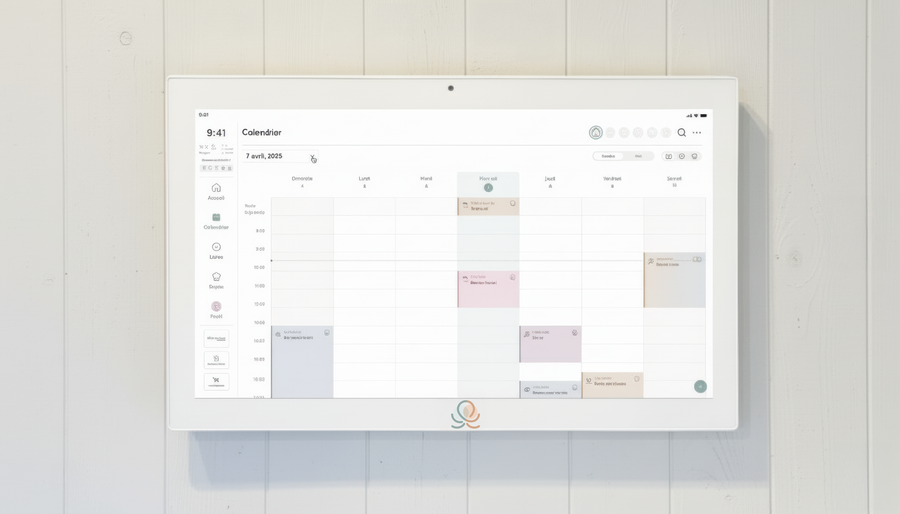
Get the whole family organized with Octave
Meals, chores, the calendar and routines for the whole family in one place: on everyone's phone and on the Station on your wall.
The app is free on iOS and Android.