



Starting the year with simple eco-friendly habits
18 January, 2026
If your resolution this year is to reduce your environmental impact, know that small daily actions repeated by the whole family have a far more significant impact than big changes that are impossible to maintain. Here is how to gradually build realistic eco-friendly habits that will last in your family routine without creating stress or guilt.
Adopt the “one change per month” rule
The most common mistake when you want to live more sustainably is trying to change everything at once! This radical approach almost inevitably leads to burnout and to quickly giving up all the new habits you've set up. So instead, adopt the philosophy of gradual change by introducing just one new eco-friendly habit each month.
This strategy lets each practice take firm root in your routine before you add a new one. After twelve months, you'll have built in twelve new lasting habits rather than having abandoned twenty or so ambitious resolutions by February. Family ecology is built over time, not in the rush to do everything perfectly!
Reduce food waste
Food waste is one of the biggest environmental impacts of households, as well as a considerable financial loss. Fortunately, a few simple adjustments can reduce it.
Easy anti-waste strategies:
- Plan weekly meals before going grocery shopping (our Octave app or our weekly planner are here to help!)
- Organize the fridge strategically (perishable foods in plain sight)
- Cook wilted vegetables into soups or smoothies
- Systematically freeze leftovers before they go bad
- Use peelings to make homemade broth
- Compost whatever can't be eaten
Don't forget to involve the kids in these practices, explaining simply that throwing out food wastes not only money, but also all the resources used to produce it.
Simplify waste management
Turning your family into zero-waste champions overnight is neither realistic nor necessary. Focus instead on gradual adjustments that significantly reduce the amount of waste you produce without completely upending your habits.
Effective gradual changes:
- Replace disposable water bottles with reusable water bottles for each family member
- Use reusable bags for groceries (always keep some in the car)
- Favour reusable containers for packed lunches rather than plastic bags
- Buy certain products in bulk when possible
- Refuse disposable straws and utensils at restaurants
- Opt for cloth napkins rather than paper ones
These changes fit easily into daily life and quickly become automatic for the whole family. Children, especially, naturally adopt these new norms when they are part of their routine from a young age.
Rethink clothing consumption
The fashion industry is among the most polluting in the world, and kids grow so fast that their clothes quickly become unusable. So take a more sustainable approach to the family wardrobe, without sacrificing style or comfort!
Eco-friendly ways to dress:
- Buy secondhand clothes at thrift stores or online
- Organize clothing swaps between families with kids of similar ages
- Choose quality, long-lasting clothes rather than fast fashion
- Learn to do basic repairs (sewing on a button, mending a hole)
- Pass clothes that have become too small on to other families
- Favour ethical, sustainable brands for essential new purchases
This approach saves you a considerable amount of money while also reducing your ecological footprint. It also teaches kids that the value of a piece of clothing lies not in its newness, but in its quality and durability.
Save water and energy every day
Resources like water and electricity seem unlimited when you turn on a tap or flip a switch, but producing them has a significant impact on the environment. A few simple actions can reduce your consumption without reducing your comfort.
Easy-to-adopt saving habits:
- Take shorter showers (use a fun timer with the kids)
- Turn off the tap while brushing teeth and washing hands
- Wash clothes in cold water when possible
- Turn off the lights when leaving a room
- Unplug unused devices that draw power on standby
- Turn the thermostat down slightly and dress more warmly
- Air-dry clothes when the weather allows
Favour active transportation
When it's possible and safe, replace some car trips with more eco-friendly alternatives. Not only do you reduce your negative impact on the environment, you also increase your family's level of physical activity.
Transportation options to explore:
- Walk or bike for short distances
- Use public transit for some trips
- Organize carpools with other families for extracurricular activities
- Group errands and appointments to minimize trips
- Favour activities and shops within walking distance of home
These changes sometimes take more time and planning, but they also create opportunities for family connection and for exploring your neighborhood that car trips don't allow.
Involve the kids in eco-friendly decisions
Eco-friendly habits take root much better when kids understand their importance and take part in the decisions. So take the time to hold family discussions about the changes you want to put in place, and let them suggest their own ideas.
Starting the year with simple eco-friendly habits requires neither perfection nor major sacrifice. It's rather a series of small daily choices that, put end to end, create a significant impact. By progressing gradually and involving the whole family, you build a more sustainable way of life that will benefit not only the planet, but also your family's well-being and your wallet!
Put these tips into practice
Get the whole family organized with Octave
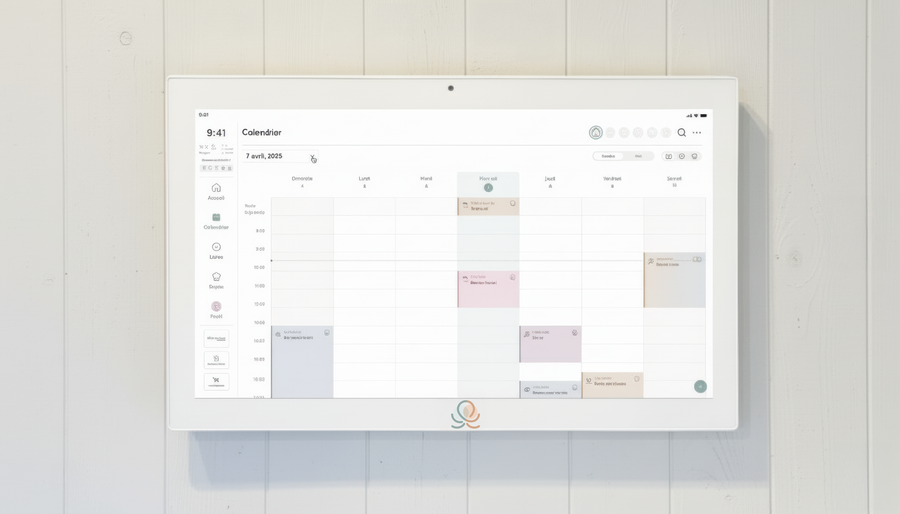
Meals, chores, the calendar and routines for the whole family in one place: on everyone's phone and on the Station on your wall.
The app is free on iOS and Android.