



Zero-waste lifestyle: tips and practices
11 September, 2024 • Par Natacha Langlois
These days, when overconsumption and waste are often the norm, more and more families are looking to simplify their lives while reducing their environmental impact. In that spirit, the zero-waste approach can be a practical solution with long-term benefits that not only significantly reduces your ecological footprint, but also brings concrete advantages to family life: financial savings, time savings and a sense of accomplishment. Would you like to put this approach into practice in your home, or get as close as you can to this lifestyle? Discover all our practical tips and tricks in this article!
Understanding the zero-waste approach
The zero-waste philosophy rests on five fundamental principles, known as the 5 Rs:
1. Refuse what you don't need
2. Reduce what you do need
3. Reuse what you consume
4. Recycle what you can't refuse, reduce or reuse
5. “Rot” (compost) the rest
To make this transition work as a family, it's crucial to involve every member, the youngest and the oldest alike. Start by explaining the issues involved in a simple, positive way, then set realistic, gradual goals, taking the time to celebrate every small victory.
In the kitchen
The kitchen, at the heart of the home, is obviously often a major source of waste. Here are a few tips to make it greener:
1. Plan your meals ahead of time and favour buying in bulk, to reduce the packaging used and food waste.
2. Opt for reusable glass or stainless steel containers to store your food.
3. Set up a composting system for your organic waste.
4. Learn to make the most of leftovers and to use the parts of foods that are usually thrown away (carrot tops, fruit peels, etc.).
Bathroom and hygiene products
Heavily used, the bathroom is obviously another great place to cut down on waste:
1. Replace disposable products with reusable alternatives: washable makeup remover pads, cloth diapers, an oriculi (a reusable ear cleaner) to replace cotton swabs, etc.
2. Opt for solid hygiene products (soap, shampoo, toothpaste) or refillable ones. For this second option, take the time to set up a handy refill station that will save you time and energy!
3. Make your own cleaning products and cosmetics, an activity that can easily be done as a family, too!
Clothes and toys
Here, the golden rule is to favour quality over quantity:
1. Choose durable clothes and toys that can be handed down from one child to the next.
2. Practice swapping, renting or buying secondhand. Don't hesitate to organize swap sessions among friends or neighbors!
3. Learn to repair and “upcycle.” Turning an old T-shirt into a shopping bag can be a perfect creative project for kids!
To concretely and easily involve your children in decluttering and independently managing their wardrobe, download this handy printable!
School and office supplies
To reduce waste linked to school and work:
1. Invest in durable, ideally refillable supplies: refillable pens, woodless pencils, etc.
2. Cut down on paper by going digital whenever possible.
3. Organize book and school supply swaps at the end of the year, and use this printable to sort things out efficiently and in an eco-friendly way.
Shopping and packaging
Day to day, make sure to keep the following points in mind when you shop:
1. Always carry reusable bags and clean containers for your bulk purchases.
2. Choose products with little or no packaging. Don't hesitate to leave unnecessary packaging at the store!
3. Favour short supply chains and local producers, a perfect opportunity for great family outings!
Holidays and celebrations
Even special occasions can be greener:
1. Opt for non-material gifts (show tickets, cooking classes) or homemade ones.
2. Use reusable or biodegradable decorations. Decorations made of paper or natural elements are perfect for family crafts.
3. For birthday parties, favour reusable tableware and waste-free games.
Managing residual waste
Despite all your efforts, there will always be some waste left:
1. Optimize your sorting by finding out about local guidelines.
2. Find solutions for hard-to-dispose-of waste: recycle your electronics, batteries, etc.
3. Take part in local recycling and cleanup initiatives, an excellent way to raise kids' awareness of the environment.
Involving the kids
Involving the kids is crucial to the success of the approach:
1. Teach through play and example. Kids learn a lot by imitation!
2. Give them responsibility through age-appropriate chores: sorting waste, taking out the compost, etc.
3. Celebrate small victories and progress. A chart tracking the waste you've avoided can also be a great way to motivate the whole family.
Reducing waste as a family is an exciting journey that brings many benefits: a more organized home, substantial savings and the satisfaction of contributing to a more sustainable future. Start small, choose the actions that seem easiest to put in place and progress at your own pace. Remember that parents' example is the best teacher: seeing you in action, your children will naturally become aware, responsible citizens. Together, you can make a real difference for our planet while simplifying your daily life!
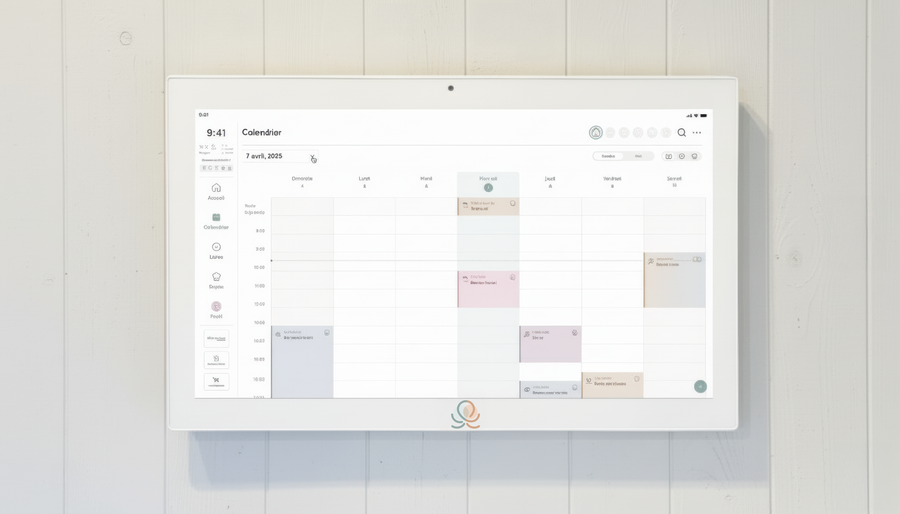
Put these tips into practice
Get the whole family organized with Octave
Meals, chores, the calendar and routines for the whole family in one place: on everyone's phone and on the Station on your wall.
The app is free on iOS and Android.