



Tips for coordinating the extracurricular schedules of all your kids
17 September, 2026
Soccer on Tuesdays, piano lessons on Wednesdays, swimming on Saturday mornings... With the return to school comes the well-known ballet of extracurricular activities! While giving our kids the chance to explore their passions is wonderful, managing the schedule of every sibling can quickly turn parents into full-time taxi drivers. Without minimal planning, criss-crossing rides, running late and skipped dinners risk spoiling the enjoyment of the season. To keep your sanity and coordinate everyone's schedules without wearing yourself out, here are a few concrete strategies to adopt.
1. Set up a shared, visual command center
The first step to avoiding scheduling conflicts is to centralize all the information in one place that's accessible to the whole family.
-
🗓️ The big wall calendar: Whether it's dry-erase, chalkboard or paper, display a monthly or weekly calendar in a high-traffic spot (in the kitchen or entryway, for example).
-
🎨 A color code for each child: Assign a specific color to each family member. At a glance, everyone can see where they need to be and when.
-
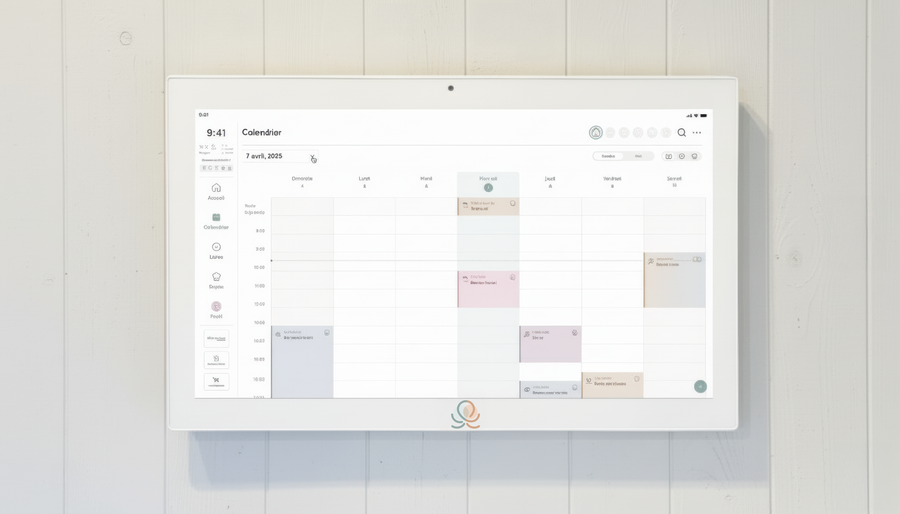
📱 The shared digital calendar: Use our Octave app to have easy access to the family calendar at all times; don't forget to add recurrence and handy reminders for even smoother sailing!
2. Apply the principle of strategic simplification
Trying to do too much is the most common mistake. Before signing the kids up for a multitude of classes, step back and set clear limits.
-
Limit the number of activities: One to two activities per child per week is plenty, especially at the start of the year when the school routine already demands a lot of energy.
-
Group locations or time slots: Try to sign siblings up at the same sports complex at the same times, or favour activities offered directly through the school's before- and after-school care.
-
Keep a “no outings” evening: Protect at least one or two evenings a week that are completely free so kids can play freely and rest.
3. Automate meal and bag logistics
On activity nights, the chaos often hits at dinnertime and while getting gear ready. To avoid last-minute meltdowns, plan ahead!
-
🥪 Meals on the go or made ahead: Count on the slow cooker, thermoses, main-dish salads or nutritious sandwiches that are easy to eat on the go if the gap between school and the class is very short.
-
🎒 Activity bags always ready: Each sport or class should have its own labeled bag. The swim bag or hockey gear should be checked and packed the night before, never ten minutes before leaving!
4. Build a support network and involve the kids
You don't have to carry everything on your shoulders alone. Teamwork works wonders during hectic times!
-
Count on carpooling: Talk with the parents of your kids' friends who attend the same classes. Doing drop-offs every other week will free up precious time slots.
-
Build independence according to age: From age 7 or 8, a child can check their own bag and look at the calendar to find out whether they have an activity that evening. Older kids can make some trips on foot, by bike or on public transit.
Coordinating extracurricular activities is an art of ongoing support and adjustment. By laying clear foundations from the start and accepting that there will be room for the unexpected (and for rest!), the whole family can fully enjoy its leisure activities without losing its joie de vivre! ⚽🏊🎨
Put these tips into practice
Get the whole family organized with Octave
Meals, chores, the calendar and routines for the whole family in one place: on everyone's phone and on the Station on your wall.
The app is free on iOS and Android.